
Bad Debt Expense: How to Calculate & Track Bad Accounts

This entry adjusts the allowance for doubtful accounts to the required level, ensuring that the financial statements accurately reflect the estimated uncollectible receivables. Accounts receivable is a permanent asset account (a balance sheet item) while sales is a revenue account (an income statement item) that resets every year. As a result, the steps you’ll take to estimate your AFDA in this method are different compared to the percentage Bookkeeping for Startups of sales method.
Where should bad debts be recorded?

This is recorded as a debit to the bad debt expense account and a credit to the allowance for doubtful how to find bad debt expense accounts. The unpaid accounts receivable that are written off are credited with a corresponding debit to the allowance account. Any business that offers sales on credit runs the risk of being unable to collect on some of its debts. When this does happen, it’s essential that you understand the steps to record a bad debt expense in an accounting entry.
Formulas for Calculating Bad Debt Expense
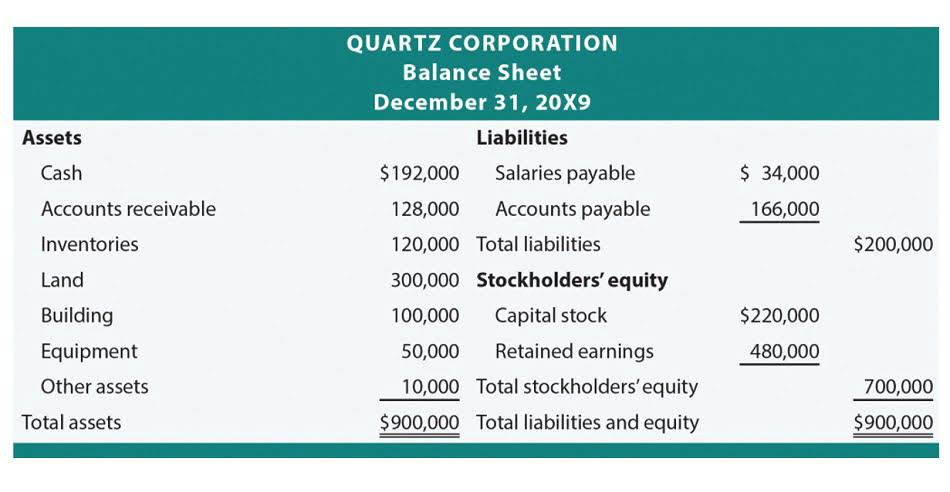
Understanding bad debt expense—how to calculate it, track it, and minimize its impact—is key to protecting your cash flow. By implementing these practical tips, companies can effectively manage bad debt, maintain healthy cash flows, and ensure accurate financial reporting. Proper credit policies, diligent monitoring of receivables, and regular reviews and adjustments are essential components of a comprehensive bad debt management strategy. These disclosures help users of the financial statements understand the company’s approach to managing credit risk and the potential impact of uncollectible receivables on the financial results. By providing transparent and detailed information, companies enhance the reliability and comparability of their financial statements.

How to Calculate Bad Debt Expense:Different Methods to Calculate Bad Debt Expense
- That is why the estimated percentage of losses increases as the number of days past due increases.
- Under this method, no allowance is created, and the amount directly affects the net income.
- You can minimize the exposure to risk when you check firsthand the payment history and credit scores of your customers before extending any credit.
- The bad debt reserve plays a big role in this, making sure your business looks financially healthy.
- For example, company A has receivables totaling $60,000 that are 0–30 days old, $15,000 that are 31–60 days old, and $8,000 that are over 60 days past due.
While hiring a collection agency can be expensive (they typically take a percentage of the recovered amount), it is often a better alternative than writing off the debt entirely. Businesses should weigh the cost of using a collection agency against the likelihood of recovery before making a decision. Get instant access to video lessons taught by experienced investment bankers. Learn financial statement modeling, DCF, M&A, LBO, Comps and Excel shortcuts. In the latter scenario, the customer might never have had the intent to pay the seller in cash. While some might view it as overly conservative, it reduces the chance of steep losses that were unexpected.
How to Calculate and Improve Your Collection Effectiveness Index (CEI)
If too many accounts go unpaid, a business might even struggle to stay afloat. That’s why companies use bad debt expense—an accounting tool that helps them plan for money they might never receive. Without it, financial statements could look healthier than they really are, misleading investors and decision-makers.
- More than just a line item, bad debt expense is a key indicator of financial health and operational discipline.
- To record bad debt using the write-off method, you simply have to make a journal entry on your balance sheet.
- The bad debt expense reverses recorded revenue entries in subsequent accounting periods when receivables become uncollectible.
- Setting clear payment rules and communicating well with clients also helps in managing receivables.
- Vivek also covers the institutional FX markets for trade publications eForex and FX Algo News.
- For the direct write-off method, the debt is recognized as an expense only when deemed uncollectible.
- Economic upheaval or recessions are one of the biggest factors that reduces consumer spending and causes delayed payments.
- Sandra Habiger is a Chartered Professional Accountant with a Bachelor’s Degree in Business Administration from the University of Washington.
- The importance of the collection effectiveness index (CEI) in evaluating how efficiently businesses collect accounts receivable is undeniable.
- You currently use the direct write-off method for recording bad debt expenses.
- Get $30 off your tax filing job today and access an affordable, licensed Tax Professional.
- This minimizes disputes and creates more transparent credit policies, removing barriers preventing customers from paying on time.
- When you sell a service or product, you expect your customers to fulfill their payment, even if it is a little past the invoice deadline.
It serves as a buffer against potential financial losses and is essential for accurately presenting a company’s financial health. These examples illustrate how the Percentage of Sales Method provides a straightforward way to estimate bad debt expense based on a consistent historical percentage. By applying this method, companies can ensure that their financial statements reflect a more accurate and realistic view of potential losses from uncollectible accounts. Please note that there’s an important distinction between this method and the percentage of receivables https://www.bookstime.com/ method. The result of your calculation in the percentage of sales method is your adjustment to the AFDA balance.
- Suppose your business recorded $1 million in net revenue during the year.
- There are two most commonly used methods for the estimation of bad debt provisions or doubtful debts.
- These examples illustrate how the Percentage of Sales Method provides a straightforward way to estimate bad debt expense based on a consistent historical percentage.
- This number is then divided by the total average AR over the same period.
- Bad debt expense is inevitable for companies that extend credit, but it doesn’t have to erode profitability.
Bad Debt Expense 101: Learn how to Calculate, Track, & Improve

Calculating the allowance for doubtful accounts involves estimating the proportion of receivables that may become uncollectible. This estimation is based on historical bad debt data, industry standards, and economic context. It requires a thorough analysis of receivables and an understanding of market conditions to make an accurate provision. This entry recognizes the bad debt expense on the income statement and establishes an allowance for doubtful accounts on the balance sheet.


0 comments